Mayor Andy Burnham used a keynote speech today (Tuesday 20 January), at a conference organised by the Institute for Fiscal Studies and UCL, to set out a plan to create and develop five growth-driving clusters across the city region.
These clusters will be at the heart of a concrete plan to reindustrialise the birthplace of the industrial revolution – and bring through a new generation of high-skilled workers in high-value jobs of the future.
Over the past decade, Greater Manchester has become the fastest growing economy in the UK, with productivity growth outpacing the national average.
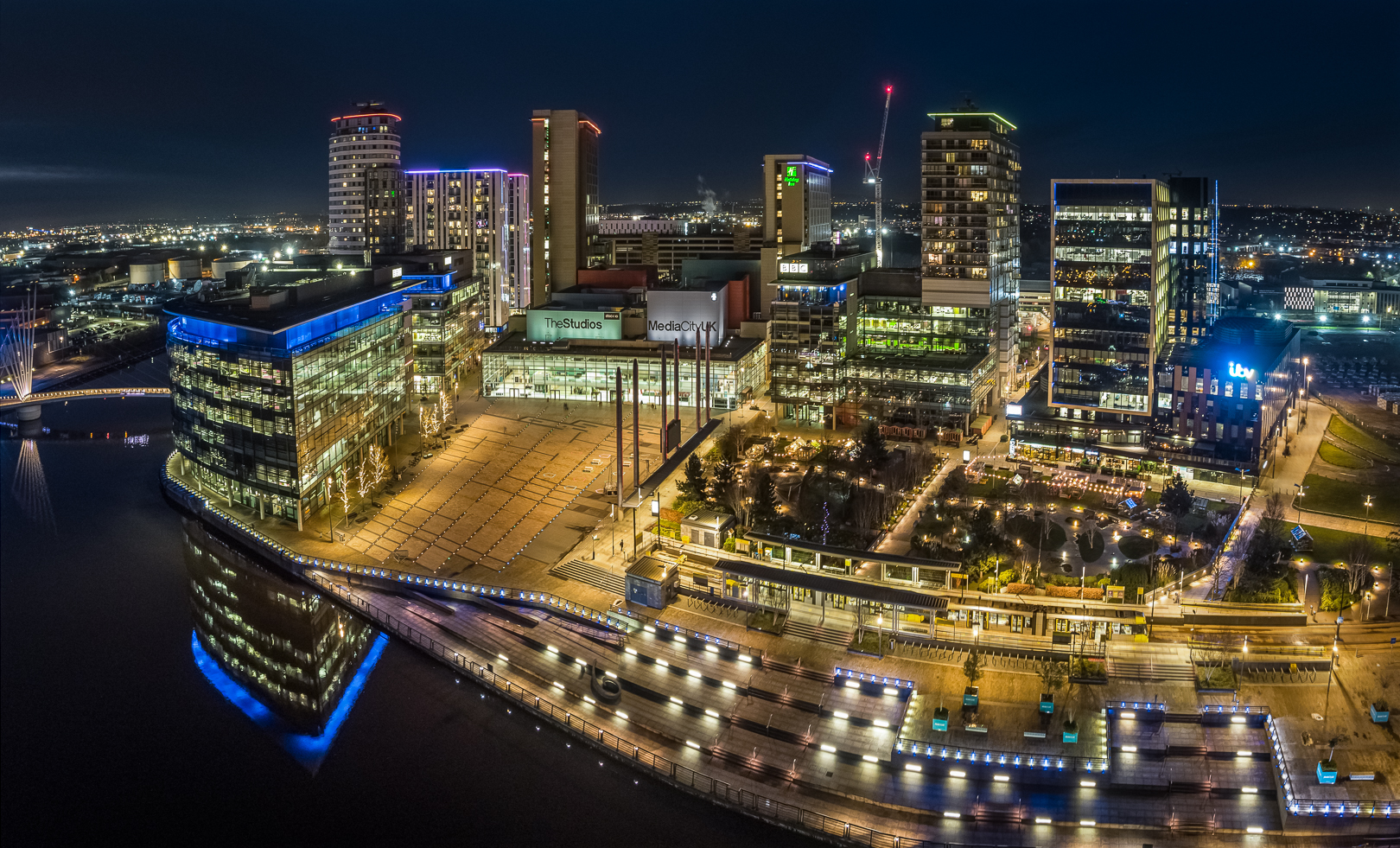
Our trailblazing devolution deals and unique partnership approach have fuelled annual growth of 3.1 per cent since 2015 – a strong, sustained track record visible in our city region’s transformed skyline.
We’ve attracted more foreign direct investment than anywhere outside the capital, and we have more businesses per capita than any region outside London and the South West. Our population has also grown faster than any other major city over the past three decades. And we have plans to deliver a new decade of good growth across the whole of Greater Manchester.
Since the UK government kicked off conversations about local industrial strategy, we’ve been developing plans based on the established and emerging clusters of innovation in our economy.
Now, we’re ready to build on our strengths and unleash the potential of our developing sectors, with a bold but precise plan to turbocharge a new era of innovation and industry in the North West.
The speech comes as a new report is published on Greater Manchester’s economy and growth sectors – drawing on evidence from The Productivity Institute at the University of Manchester, and looking at how our plans can drive future good growth.
Working with businesses, our universities, and other partners, we’ve set out detailed plans for each of our pioneering sectors:
- Advanced Materials and Manufacturing – Made up of around 500 businesses employing 15,000 people, Greater Manchester’s Advanced Materials and Manufacturing sector is powered by world-class universities and research institutes, connecting the city centre to Atom Valley – a dynamic supercluster that will create new jobs across Bury, Oldham, and Rochdale, and be home to a new state-of-the-art Sustainable Materials and Manufacturing Centre.
- Digital, Cyber and AI – Greater Manchester boasts a £5 billion tech ecosystem, the largest AI sector by headcount outside London and the South East, and key strengths in cyber security, fintech, and e-commerce – supported by leading research institutes in and around Manchester city centre.
- Health innovation and Life Sciences – The Oxford Road Corridor in Manchester city centre is a high-intensity cluster of health innovation and life science R&D, just 10 minutes from The Christie, Europe’s largest single-site specialist centre for cancer.
- Creative Industries – Greater Manchester has the largest concentration of creative businesses outside the capital, including at MediaCity in Salford, and is home to thriving grassroots hubs and major global arts and culture venues
- Low Carbon – We already have more than 3,000 firms employing nearly 60,000 people in our low carbon and net zero sector, worth nearly £9 billion a year. This will soon include the world’s largest liquid air energy storage plant in Carrington, backed by a £300 million investment.
We can do this because of our joint development plan, Places for Everyone, which tackles issues of land allocation and maps out shovel-ready sites for new homes and employment sites while protecting the Green Belt.
And last year we launched a UK-first 10-year Integrated Pipeline for growth – identifying high-impact housing, employment, and regeneration projects – underpinned by our £1 billion Good Growth Fund to pump-prime shovel-ready projects, delivering the maximum impact for public money spent.
We’re already using our powers and our partnerships to open up opportunities for residents in these innovation clusters, including through the Greater Manchester Baccalaureate – our plan to create true parity between technical and academic education, giving young people a clear line of sight to high-quality jobs in our growing economy.
Already this year we’ve announced 1,000 additional work placements for T Level students pledged by businesses in Greater Manchester – including industry leaders like IBM, Murphy, and Autotrader.
Our regeneration schemes are also helping create work experience and training opportunities for young people in local schools and colleges – all while delivering high quality homes and revitalising our town centres.
But now, we need deeper devolution of post-16 education and skills policy if we are to connect people with opportunities in these growing sectors.
Mayor Andy Burnham said: “Today Greater Manchester raises the bar on growth once again.
“We are publishing for the first time our cluster map: five defined locations across our city region which, as this century develops, will host industrial clusters of growing global significance.
“In other words, a concrete plan to reindustrialise the birthplace of the industrial revolution, bringing high-value employment to all parts of Greater Manchester.”
He credited the Government for the steps it has taken to give more powers to local areas – including its consultation on a new overnight visitor levy to help invest in new infrastructure and improve the visitor experience in Greater Manchester.
He also welcomed last week’s announcement on Northern Powerhouse Rail, as well as the opportunity for city regions to develop innovative new solutions to fund growth-maximising infrastructure, including business rates retention and land value capture.
But he also warned against potential blockers to growth – and made the case for more devolution of skills and technical education to create new opportunities for the next generation, and bring forward the high-skilled workforce that a reindustrialised Greater Manchester will need.
He said: “The logic of the cluster map I have set out today is that Greater Manchester’s skills needs will increasingly specialise in the next decade.
“The highly specific nature of the activities within our clusters means the employers will need a much more agile, integrated and responsive skills system than exists at present.
“We believe the city region should be able to move away from the fragmented approach of the past and have the ability to commission our skills system to deliver to the sectoral needs of our fast-changing economy.”
Last November Greater Manchester Leaders approved £400 million of investment in the first wave of schemes delivering new housing and employment opportunities across our towns and cities.
These 17 schemes are set to deliver nearly 3,000 homes, more than 22,000 jobs, and 2 million square feet of employment space More projects are set to be considered in March.
These investments are based on sound economic thinking, looking at longer-term trends over the past decade, and identifying the places where pump-priming investment can deliver the biggest impact.